05/09/2026
Feral Pest Control NSW: Effective, No-Poison Solutions for Pigs, Foxes, Rabbits & More
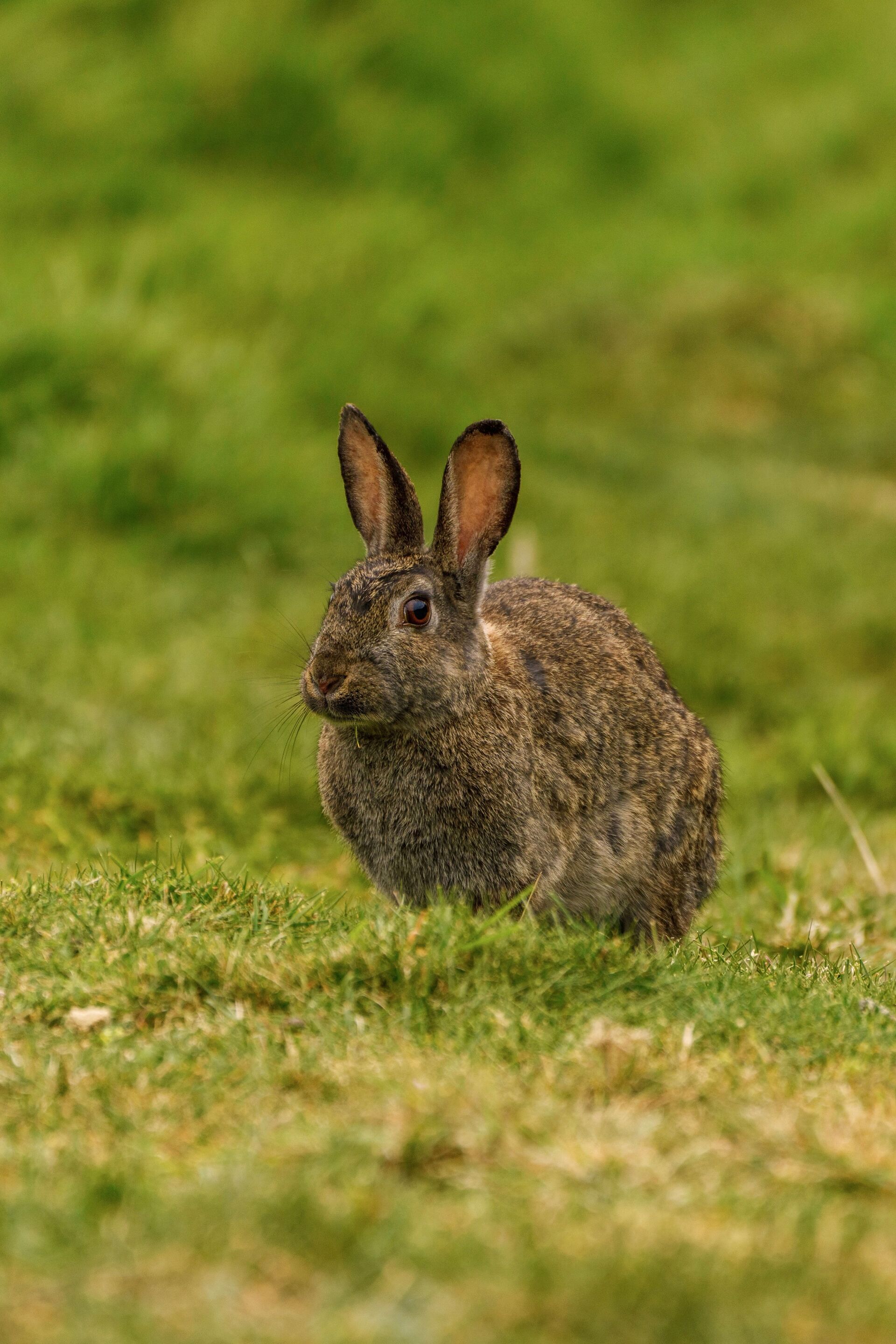
Rabbit numbers on rural properties across the NSW South Coast and Southern Tablelands continue to frustrate landholders every year. Golf courses, vineyards, lifestyle blocks and working farms all feel the impact — chewed pasture, damaged infrastructure, undermined banks and constant pressure on native vegetation.
Many property owners have tried the usual approaches. Some work for a short time. Most do not deliver lasting control. Understanding why traditional methods fall short is the first step toward a more effective solution.
The limits of common approaches
Poison baits remain widely used. While they can reduce numbers temporarily, they bring clear drawbacks. Non-target species can be affected. Secondary poisoning risks exist for pets and working dogs. In many cases rabbits simply move to untreated areas or develop bait shyness. The result is a short-term drop followed by a rebound, often within a single season.
Cage traps and other passive methods require constant checking and rarely remove enough animals to make a meaningful difference on larger properties. Fumigation of warrens can be effective in specific situations but is labour-intensive and difficult to apply thoroughly across rocky or heavily vegetated ground common on the South Coast and Southern Tablelands.
Exclusion fencing works well in some settings, yet it is expensive to install and maintain over long boundaries. Once rabbits are already established inside a property, fencing alone does not solve the existing problem.
These methods share a common weakness: they treat the symptom rather than delivering sustained pressure on the local rabbit population.
What effective control actually requires
Successful rabbit management on a property needs three things working together:
Professional operators bring the ability to work at night with thermal equipment, cover large areas efficiently, and focus effort where it produces the greatest reduction. This approach avoids the scattergun effect of baits and the limited reach of traps.
Because the work is carried out by licensed, experienced controllers, it can be timed to disrupt breeding cycles and applied consistently across multiple visits if needed. The goal is not a one-night reduction. The goal is a measurable, lasting drop in rabbit pressure on the property.
A practical, responsible approach
At Xterminator Feral Solutions we specialise in humane, non-toxic control methods suited to the South Coast and Southern Tablelands. Our work focuses on professional shooting and targeted warren management rather than broad-scale poisoning. This reduces risk to non-target animals, working dogs and the wider environment while still delivering clear results for the landholder.
Clients typically see the difference in reduced pasture damage, fewer burrows in high-use areas, and less ongoing maintenance. Properties ranging from smaller lifestyle blocks to larger grazing and recreational holdings have used this approach successfully.
Every job begins with a clear understanding of the site. We assess the scale of the problem, discuss practical options, and provide a straightforward quote. There is no one-size-fits-all solution — the method is matched to the property and the level of pressure.
What property owners can expect
A professional program usually involves:
Results are measured by reduced visible activity and less damage, not by exaggerated claims. Landholders who have moved away from repeated baiting cycles often report both better outcomes and greater peace of mind.
Taking the next step
If rabbits are causing ongoing damage on your property, the most useful first action is a proper assessment rather than another round of methods that have already been tried.
Xterminator Feral Solutions operates across the South Coast and Southern Tablelands, including areas around Braidwood, Bungendore, Moruya, Yass and surrounding districts. We provide professional, humane control focused on lasting results.
Call 1800 FERALS (1800 337 257) to discuss your property. A straightforward conversation is often the quickest way to determine what will actually work on your land.
Introducing the CFMOTO UFORCE U6 EV – our new all-electric UTV built for silent, responsible operations.
Why We Went Electric
At Xterminator, we’ve always prioritised stealth and respect for the land. Our new U6 EV takes that commitment further:
Ready for Quieter, More Effective Pest Control?
---the difference is clear.....and SILENT
Contact us today to discuss how this upgrade will benefit your property.
1800 FERALS (1800 337 257) | help@xterminator.com.au
WATCH THIS VIDEO
https://youtu.be/MtG8AmohmgI?si=zDv_yYNJxj5OZk0O
Feral Pest Control NSW: Effective, No-Poison Solutions for Pigs, Foxes, Rabbits & More
When the sun sets over the rolling hills of the **South , Mid and Southern Tablelands of NSW, a hidden battle comes to life.
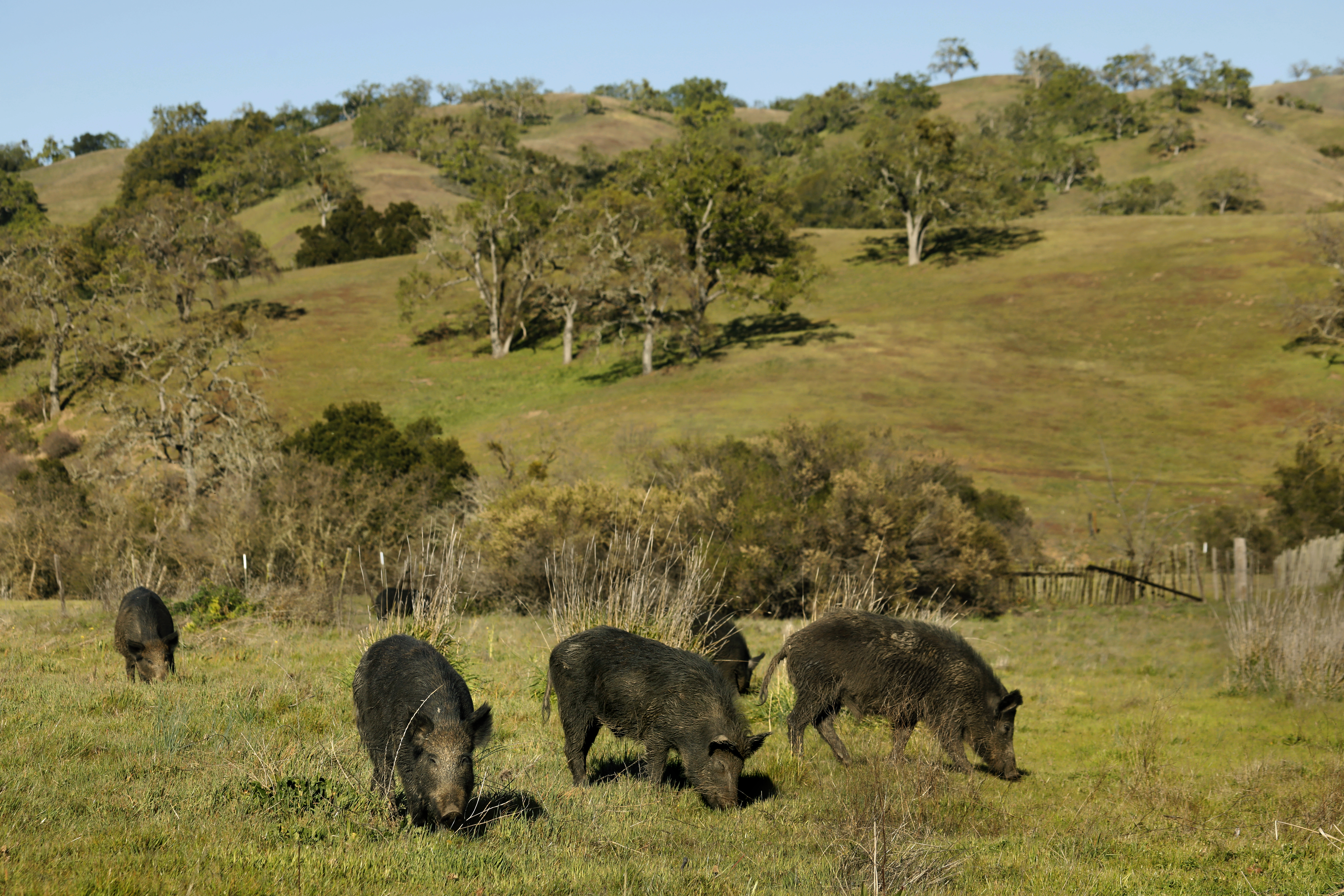
Feral animals like foxes, feral pigs, wild dogs, and deer become far more active under the cover of darkness. For landholders and farmers, this is exactly why professional **night operations** deliver superior results in feral pest management.
At **Xterminator Feral Solutions**, we specialise in discreet, high-tech **night operations** that target these invasive pests when they're most vulnerable — and when traditional daytime methods fall short.
The Nocturnal Nature of Australia's Worst Feral Pests
Many of Australia's most damaging feral animals are **primarily nocturnal** or **crepuscular** (most active at dusk and dawn). This behavioural pattern has evolved to help them avoid predators, heat, and human activity.
Daytime efforts often miss the bulk of activity — animals hide in dense cover, sleep through the heat, or simply avoid open areas. Night operations flip the script.
Why Night Control is More Effective and Humane
Professional night operations using advanced technology outperform daytime methods in several key ways:
1. **Higher Detection Rates**
Animals are out and moving, making them easier to locate. Thermal imaging detects heat signatures even through light cover, fog, or complete darkness — spotting animals that would be invisible or hidden during the day.
2. **Improved Accuracy and Safety**
Modern thermal scopes and night vision equipment allow precise targeting. This reduces the risk of wounding, ensures quick, humane dispatch, and improves safety by clearly showing what's around and behind the target (no guesswork about livestock or non-target species nearby).
3. **Minimal Disturbance**
No bright spotlights are needed — which can spook stock, scatter pests, or alert neighbours. Operations remain discreet, with silenced equipment for low-impact control.
4. **Better Results in Dense or Low-Density Areas**
In rugged Southern Tablelands terrain or thick bush on the South Coast, thermal tech reveals animals that hold tight during daylight. Studies and field programs across Australia show thermal-assisted night shooting dramatically increases success rates.
How Xterminator's Night Operations Work
We use cutting-edge surveillance (including trail cameras for pre-operation monitoring) combined with thermal imaging and precision equipment. Our team conducts thorough site assessments, develops customised plans, and provides detailed reporting after each visit — so you know exactly what was achieved.
Whether it's a targeted fox cull in lambing season, feral pig removal after heavy rain, or ongoing wild dog prevention, our **night operations** are designed to be the **most humane and efficient** method available.
Ready to Take Back Your Property After Dark?
Feral pests don't take holidays — but neither do we. With summer here and activity ramping up, now is the perfect time for a **free risk assessment**.
Contact Xterminator Feral Solutions today to discuss how our professional night operations can protect your livestock, pastures, and native environment.
Call **1800 337 257** or submit an enquiry via the website.
Protect what matters — let the night work in your favour. 🌙
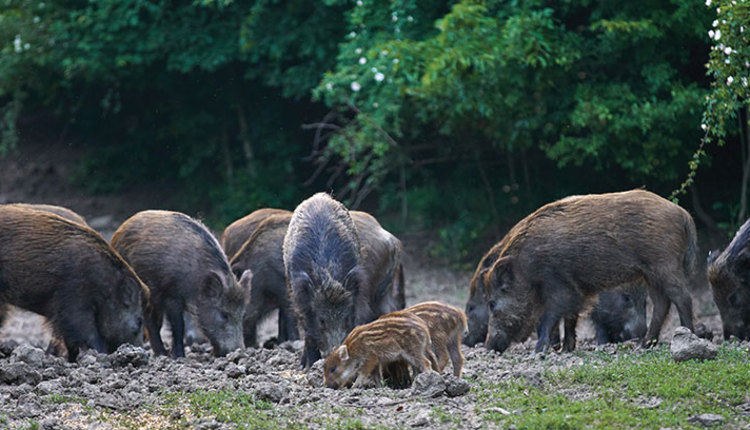
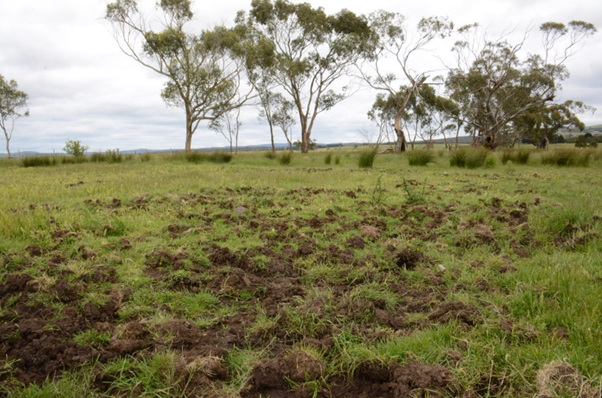
Here are examples of the kind of damage feral pigs cause during their nighttime rooting sessions:
These images show the devastating pasture and soil disruption — a common sight on NSW properties after feral pigs move through at night.